How Much Does a Lawyer Cost: Factors, Fees, and Management
Delving into the realm of legal costs, the question of how much does a lawyer cost emerges as a crucial query for many. This introductory passage sets the stage for an insightful exploration, promising a blend of expertise and originality.
Exploring the nuances of lawyer fees unveils a world where factors, fee structures, and cost management strategies play key roles.
Factors influencing lawyer costs

When it comes to determining how much a lawyer costs, several factors come into play. These factors can significantly impact the final bill you receive for legal services. Let's explore some of the key elements that influence lawyer costs.
Complexity of the case
The complexity of a case is a crucial factor that can affect how much a lawyer charges for their services. Cases that are more intricate and require extensive research, documentation, or court appearances are likely to incur higher legal fees.
This is because handling complex cases demands more time, effort, and expertise from the lawyer, ultimately leading to higher costs for the client.
Role of location
The location where you require legal services can also play a significant role in determining lawyer fees. Lawyers practicing in major cities or regions with a higher cost of living generally charge more for their services compared to those in smaller towns or rural areas.
Additionally, legal fees can vary based on local market conditions, competition among law firms, and the demand for specific legal expertise in a particular area. It's essential to consider the location factor when budgeting for legal representation to ensure you are prepared for the potential cost differences based on where you seek legal assistance.
Types of fee structures
When it comes to hiring a lawyer, understanding the different fee structures they use is crucial. Here are the common fee structures used by lawyers and the scenarios where each is most commonly employed.
Hourly rates
Hourly rates are one of the most traditional fee structures used by lawyers. Clients are charged based on the number of hours the lawyer works on their case. This fee structure is commonly used for tasks like legal research, drafting documents, and court appearances.
Hourly rates are often seen in complex cases that require extensive time and effort from the lawyer.
Flat fees
Flat fees involve a set amount that the client pays for the entire legal service. This fee structure is often used for routine legal matters like drafting a will, creating a contract, or handling a simple traffic violation. Flat fees provide clients with cost certainty and are popular for straightforward cases.
Contingency fees
Contingency fees are based on the outcome of the case. The lawyer only gets paid if they win the case or reach a settlement, usually taking a percentage of the client's award. This fee structure is commonly used in personal injury cases, where clients may not have the funds to pay upfront legal fees.
Contingency fees align the lawyer's interests with those of the client, as both benefit from a successful outcome.Each fee structure has its pros and cons. Hourly rates provide transparency but can lead to unforeseen costs if the case becomes protracted.
Flat fees offer predictability but may not incentivize the lawyer to work efficiently. Contingency fees give access to legal services for clients with limited resources but may result in higher fees if the case is successful. Understanding these fee structures can help clients make informed decisions when hiring a lawyer.
Average cost of hiring a lawyer

When it comes to hiring a lawyer, understanding the average costs involved can help you budget and plan accordingly
Average Hourly Rate of Lawyers
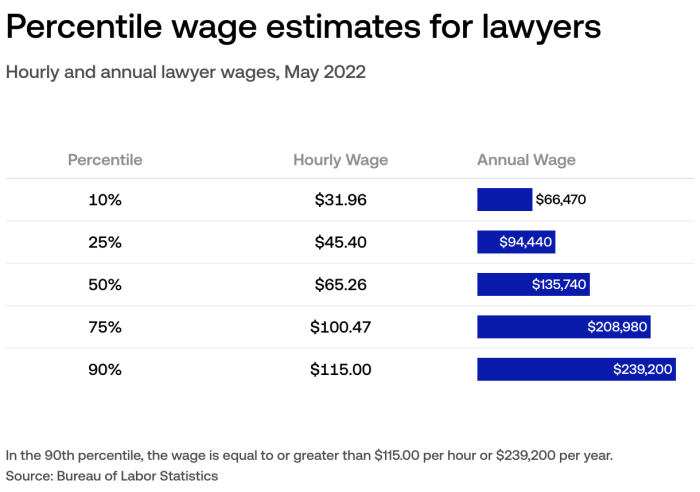
In different regions, the average hourly rate for lawyers can vary significantly. On average, in the United States, lawyers charge between $150 to $700 per hour. However, rates can go even higher in major cities or for specialized legal services.
Typical Retainer Fees and How They Work
Retainer fees are upfront payments made to lawyers to secure their services. These fees can range from a few hundred dollars to several thousand dollars, depending on the complexity of the case and the reputation of the lawyer. The retainer amount is then deducted from the total bill as the lawyer works on the case.
Cost Variations Based on the Type of Legal Issue
The cost of hiring a lawyer can vary based on the type of legal issue you're dealing with. For example, a simple traffic violation case may cost a few hundred dollars for legal representation, while a complex business litigation case could run into tens of thousands of dollars.
The more specialized the legal expertise required, the higher the costs are likely to be.
Ways to manage legal costs

Managing legal costs is crucial for clients to ensure they stay within budget and receive the legal services they need. Here are some strategies clients can use to manage and reduce legal costs:
Importance of communication in avoiding unexpected fees
Effective communication with your lawyer is key to avoiding unexpected fees. Make sure to clearly discuss your budget and expectations upfront. Ask for regular updates on the progress of your case and inquire about any potential additional costs that may arise.
By maintaining open communication, you can address any issues before they escalate and lead to higher fees.
Tips for negotiating fees with a lawyer
1. Request a detailed breakdown of fees
Ask your lawyer to provide a clear breakdown of all potential costs involved in your case. This will help you understand where the fees are coming from and identify areas where costs can be reduced.
2. Inquire about alternative fee structures
Some lawyers may be open to alternative fee arrangements, such as flat fees or contingency fees. Explore these options to find a fee structure that works best for your budget.
3. Negotiate a fee cap
Consider negotiating a fee cap with your lawyer to ensure that costs do not exceed a certain amount without your approval. This can provide you with peace of mind and prevent any surprises when it comes to billing.By implementing these strategies and tips, clients can effectively manage their legal costs and navigate the legal process more efficiently.
Closure

As we conclude this discussion on the costs associated with legal representation, it becomes evident that understanding the intricacies of lawyer fees is essential for navigating the legal landscape effectively.
Question & Answer Hub
What factors can influence how much a lawyer costs?
Factors such as case complexity, lawyer experience, and location can all impact legal fees.
What are the common fee structures used by lawyers?
Lawyers often utilize hourly rates, flat fees, and contingency fees depending on the case.
What is the average hourly rate of lawyers in different regions?
Hourly rates can vary greatly by region, with major cities often having higher rates compared to rural areas.
How can clients manage and reduce legal costs?
Clients can employ strategies such as clear communication, fee negotiation, and proper documentation to manage legal expenses effectively.